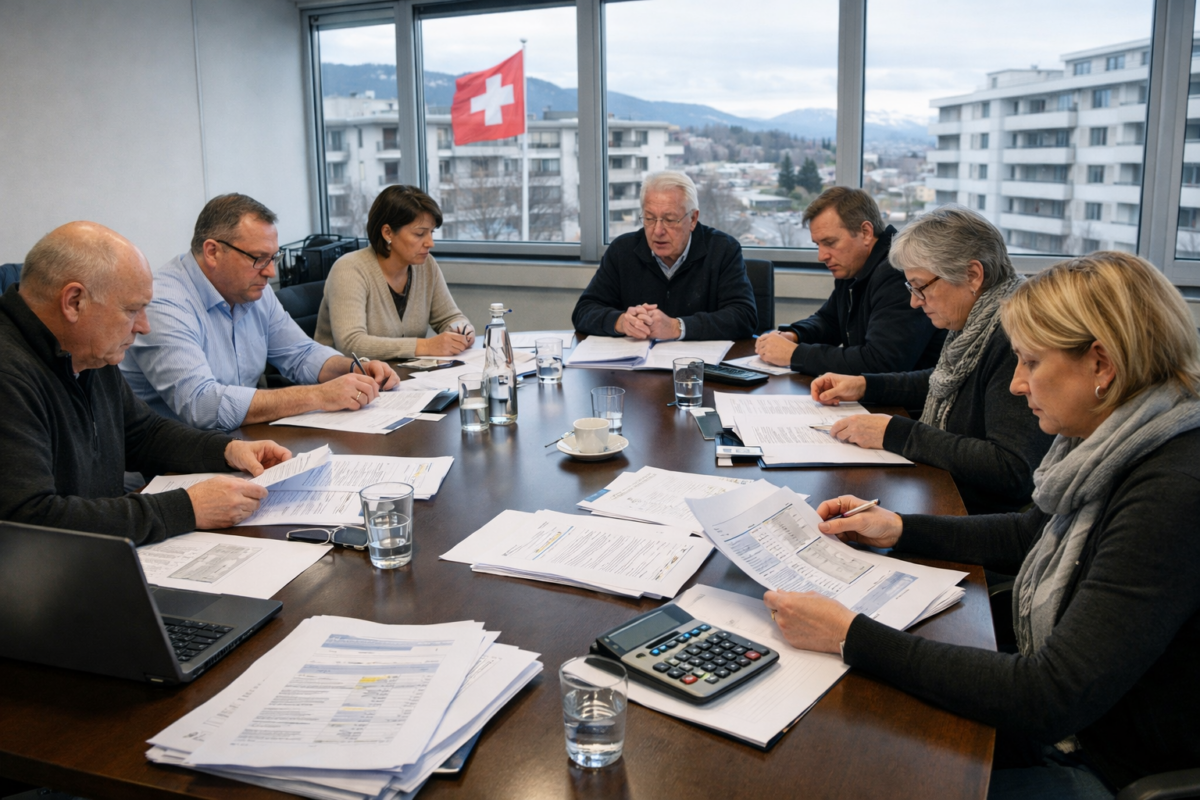
When Property Meets Halloween: Between Legends and Market Realities
Retour
A Not-So-Strange Connection
Autumn arrives, the days grow shorter, and pumpkins start appearing on window ledges. Every year, Halloween brings its share of frightening stories… and, more surprisingly, discussions about property. Because yes, behind the costumes and sweets lie very real phenomena: those famous “haunted” houses that struggle to sell, superstitious buyers, and even agents who aren’t afraid to play the mystery card.
Ultimately, Halloween reflects quite well the emotions of a property project: the fear of making a mistake, anxiety about the unknown, fascination with places steeped in history. More common ground than one might imagine.
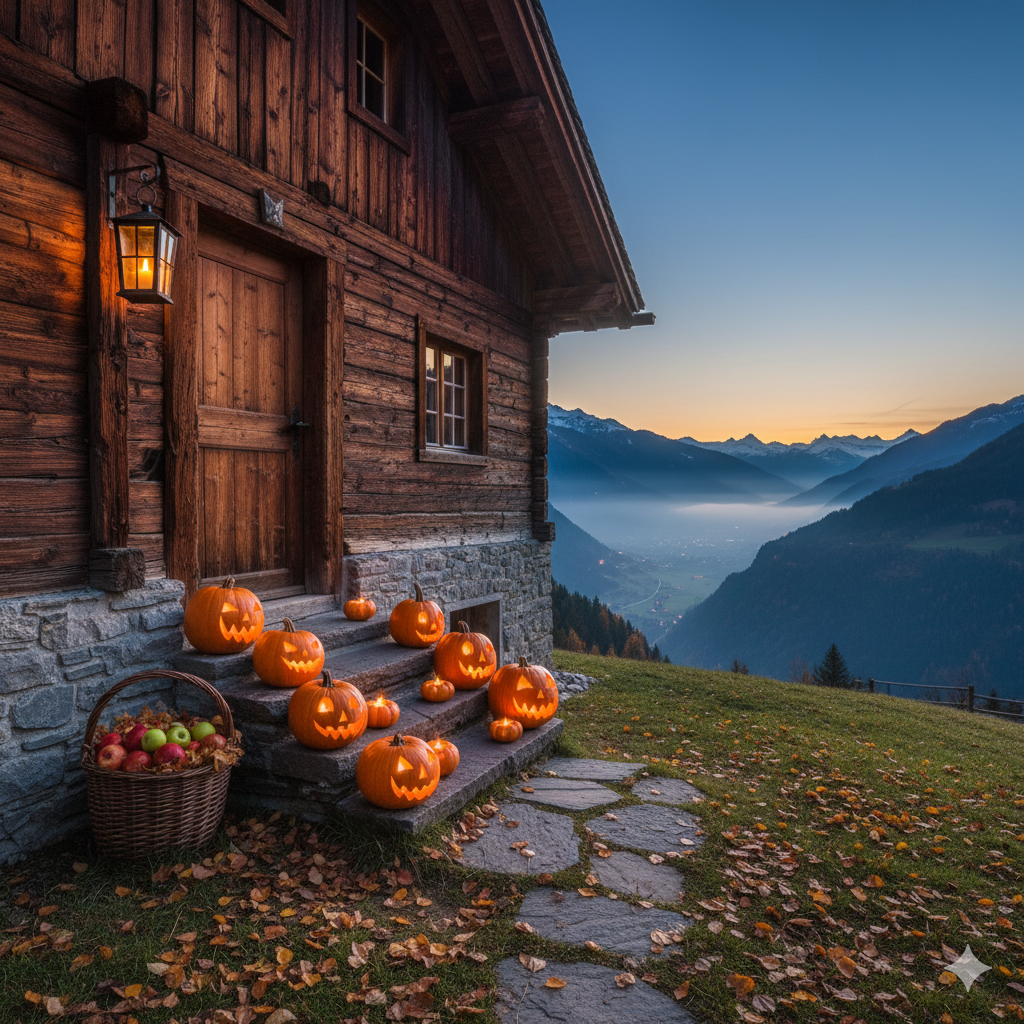
Haunted Houses: Between Myth and Market Reality
Every region has its legends. That abandoned manor, that old farmhouse where one swears they hear noises at night, that house no owner keeps for long…
In the United States, “haunted houses” constitute quite a market in their own right. Some buyers avoid them like the plague, others actively seek them out. In Switzerland, it’s more discreet, but stories still circulate: a house left empty for too long, tenants who come and go without explanation, land with a troubled past…
The legal reality? A haunted house doesn’t officially exist. However, a property with a “difficult past” – suicide, crime, fire – can genuinely lose value. A Japanese study shows devaluation reaching up to 30%. In Europe, the impact is less but real: rumour, reputation or simple feeling can influence a sale.
Superstitions: When the Number 13 Frightens
In many countries, 13 is avoided: no 13th floor, no flat number 13. In Switzerland, some developers skip the number entirely so as not to frighten buyers.
And that’s not all. The Chinese avoid the number 4, which sounds like “death”. Some refuse a north-facing house, deemed “cold”. Others call upon a geobiologist to check the “energy” before buying.
Behind these beliefs lies a simple truth: we’re looking for a refuge, a place that makes us feel good. Property is, first and foremost, a matter of emotions.
Those Invisible Ghosts That Influence Our Decisions
Buying a home has nothing rational about it. We talk about budget, square footage, interest rates… but what really makes the difference is the feeling. That particular light, that smell of wood, that childhood memory that resurfaces.
Halloween plays on exactly the same triggers: our instinctive fears of the unknown, of change, of losing control. Exactly what one feels when buying or selling a property.
The fear of making a mistake, of making a poor investment. The difficulty of leaving a place laden with family memories. That emptiness, once the keys are handed over.
Property, fundamentally, is a story of personal ghosts.
When Marketing Plays With Fear
Some agents have understood the potential well. In the United States, “haunted” viewings are organised for unusual properties at Halloween. Result: influx of visitors, media coverage, and sometimes quick sales.
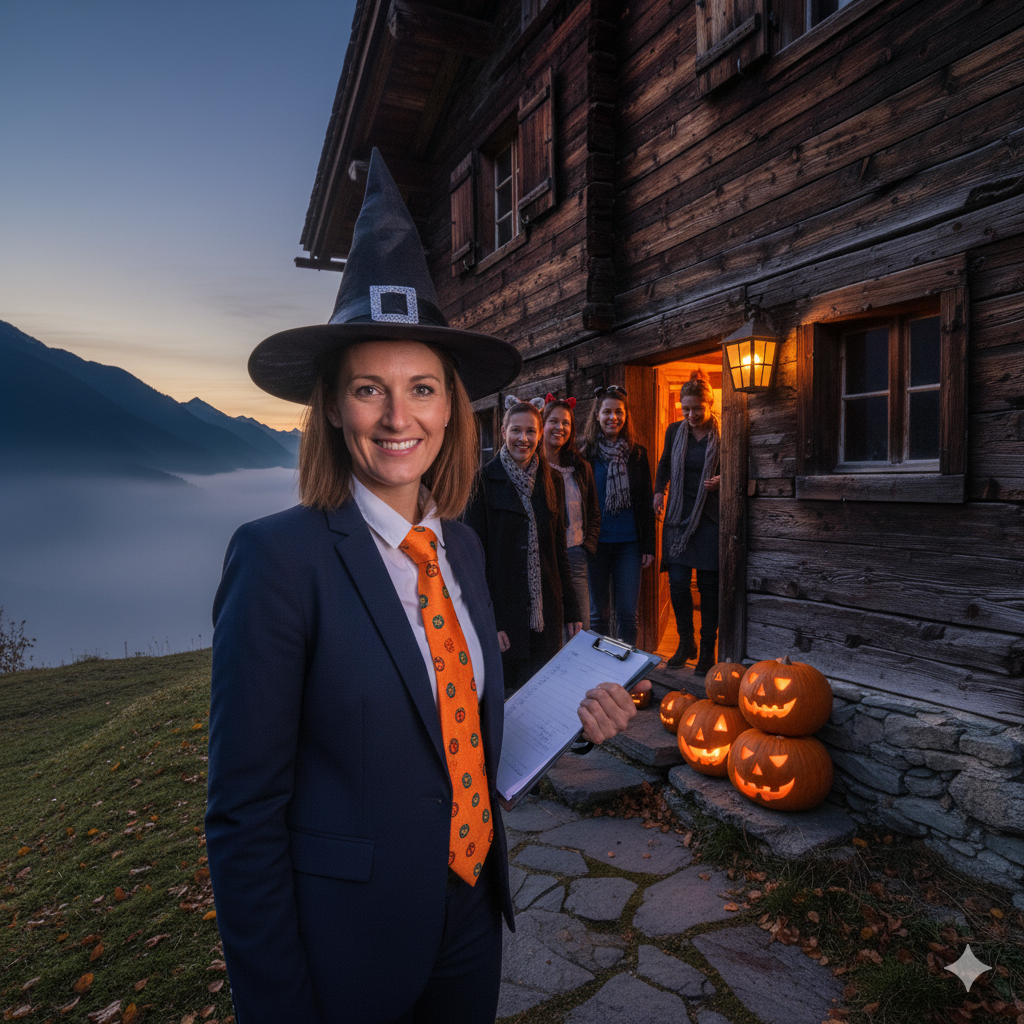
In French-speaking Switzerland, some agencies draw inspiration from this. Highlighting historical character with mysterious storytelling, nocturnal photographs to create a particular atmosphere, quirky communication on social media.
Well used, fear becomes an effective marketing tool: it attracts, intrigues, leaves an impression.
The Troubled Charm of Old Houses
Old buildings fascinate as much as they unsettle. One senses the weight of time, the trace of generations. These houses “with a soul” appeal to those sensitive to history and stone.
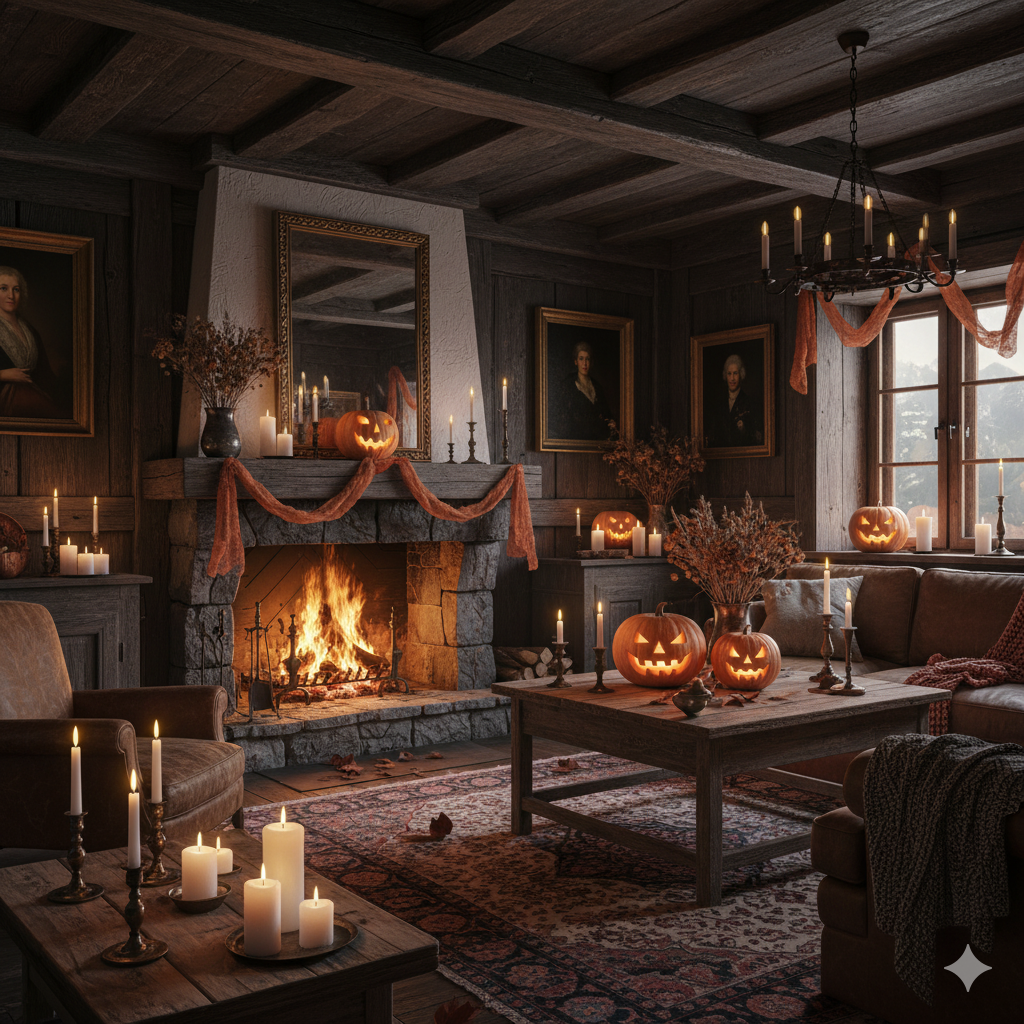
But they also raise concerns: heavy works, energy standards, noises and nocturnal creaks.
This is the paradox of property heritage: the charm of the past against modern comfort. Halloween brings this debate to the fore. Should one fear old houses? Or see in them the opportunity to inhabit a living place, bearing history?
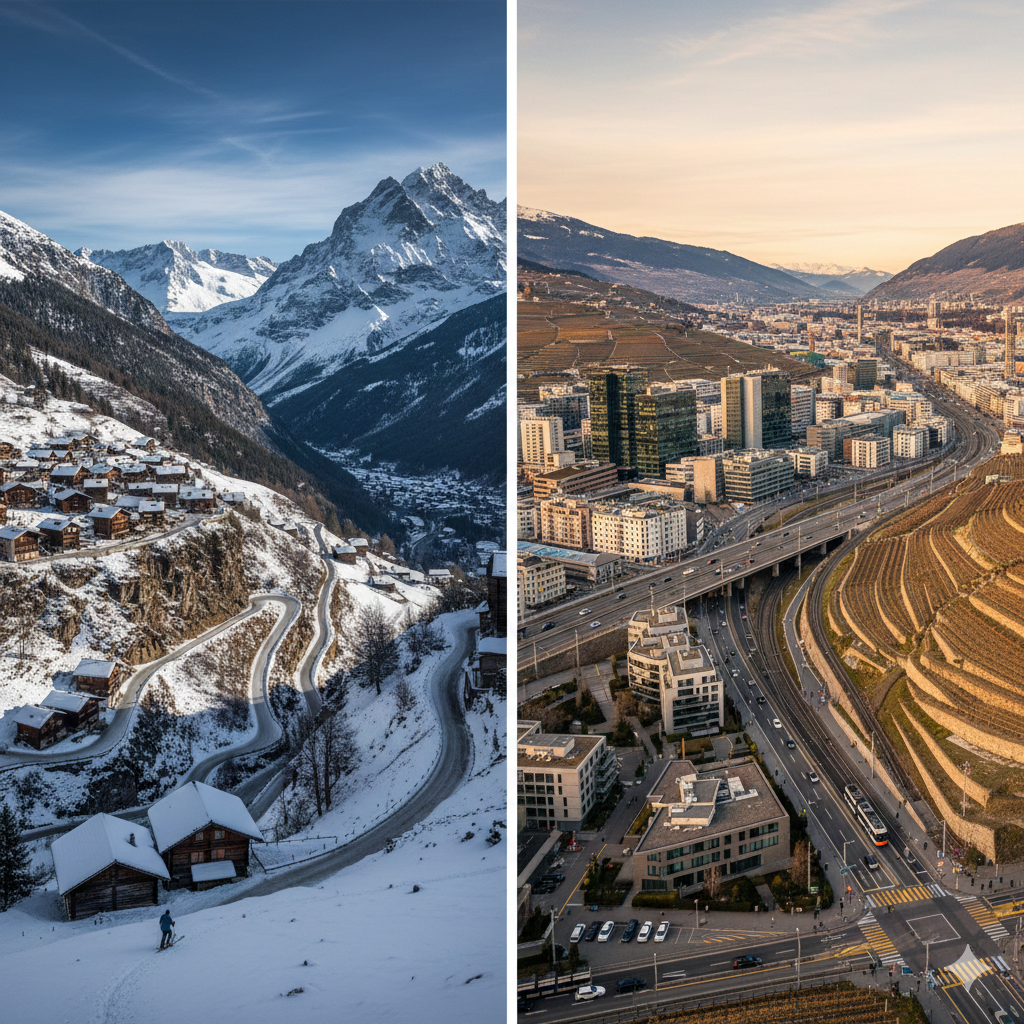
In Valais: Between Alpine Legends and the Property Market
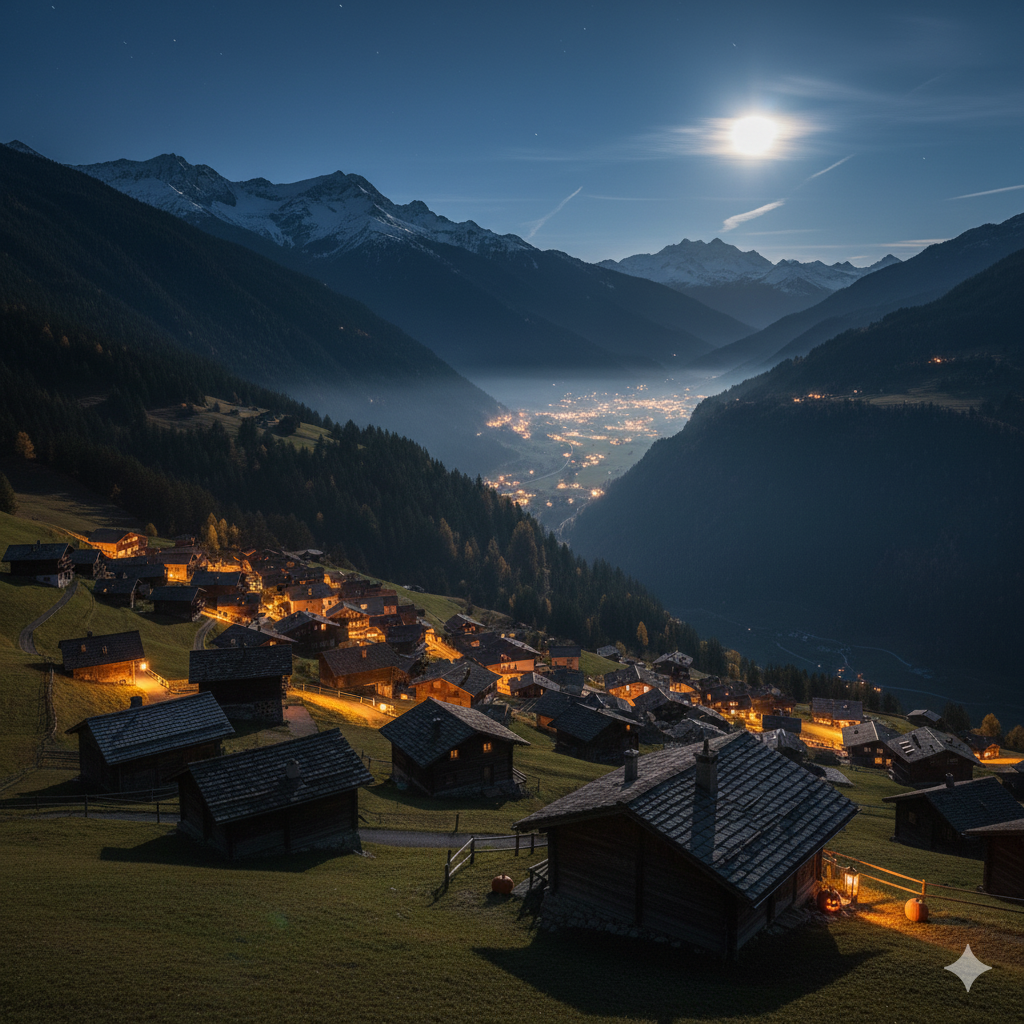
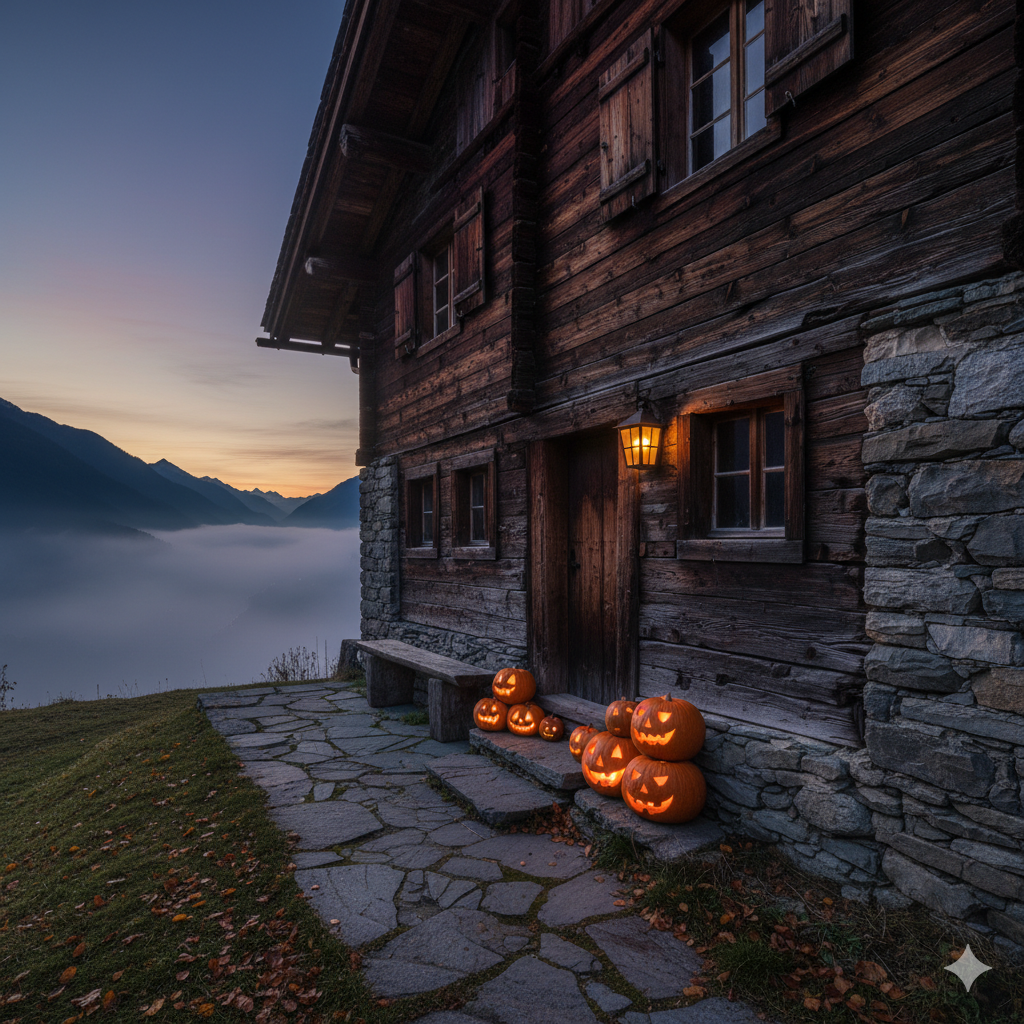
Here, with our perched villages, century-old chalets and isolated valleys, strange stories abound. Apparitions, “inhabited” houses, church bells that ring by themselves on stormy nights… These tales are part of our identity.
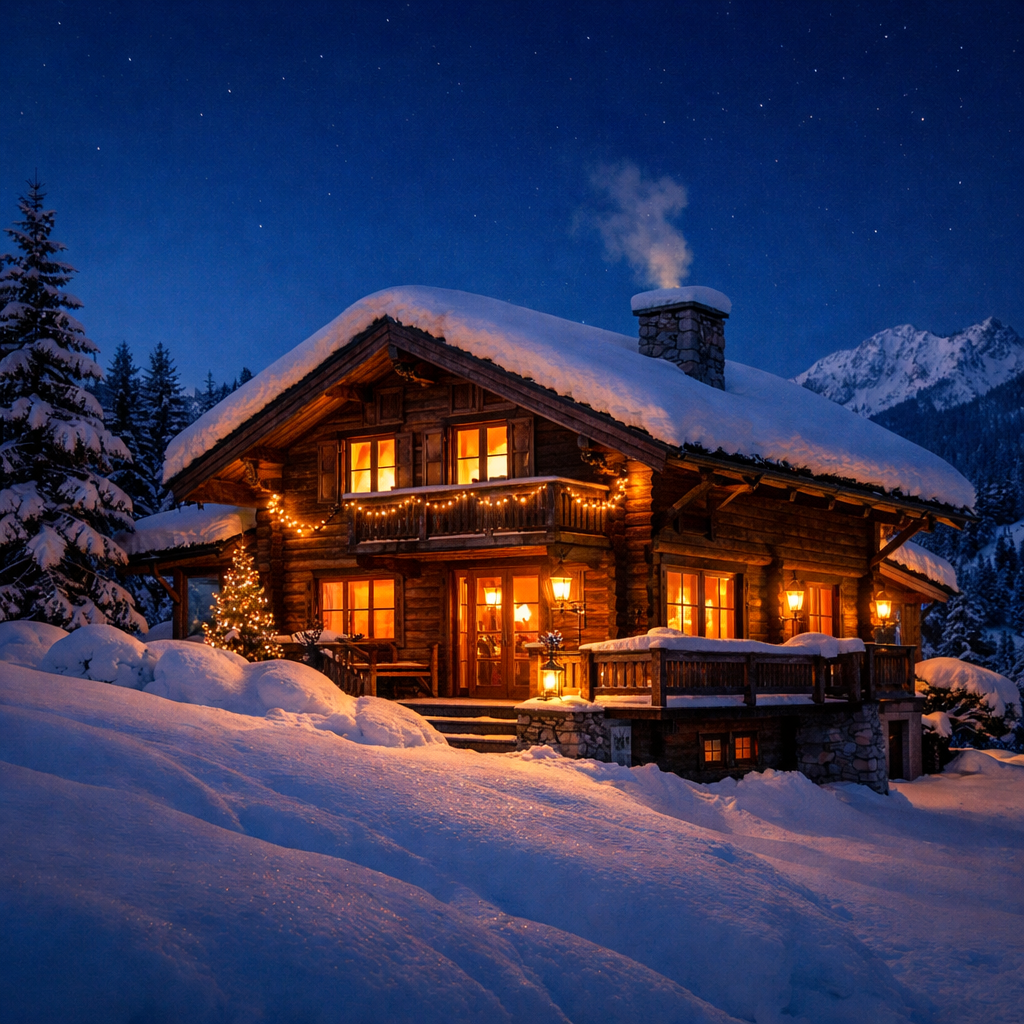
But beyond folklore, the Valais market remains deeply attached to tradition. Buying a family chalet, renovating an inherited building, passing on property to one’s children… Acts that connect the living to those who preceded them.
Halloween then becomes a poetic pretext to remind us that property is, above all, a human story, where every wall keeps the memory of those who lived there.
Some Practical Advice
If this period awakens your curiosity for houses with a singular past, here are some pointers.
Find out about the property’s history. A visit to the land registry or commune can reveal valuable information: construction date, previous owners, past incidents. Transparency is the best antidote to fear.
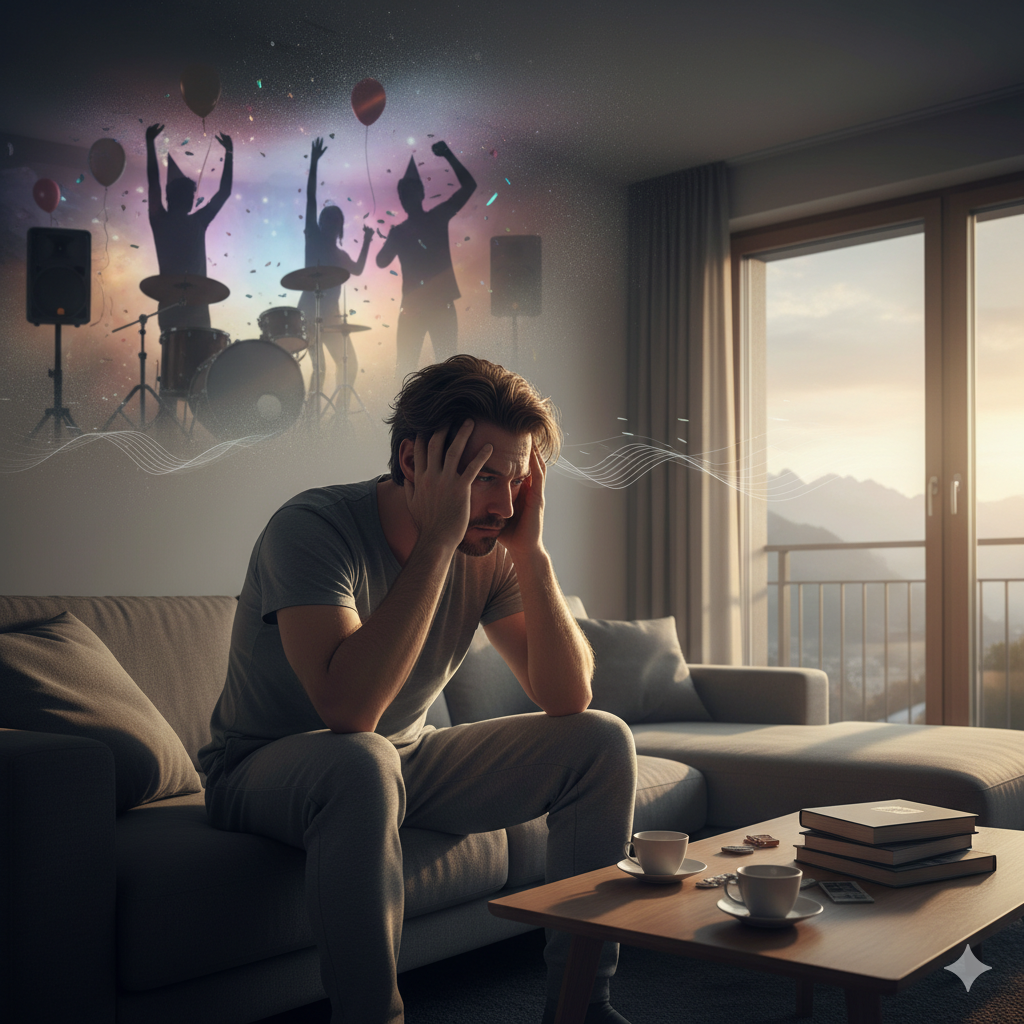
Trust your feelings. Visit several times, at different hours. Observe the light, the sounds, the atmosphere. Property isn’t just a matter of square metres.
Don’t let superstition decide for you. A flat number or a rumour shouldn’t weigh more than your common sense. Listen to your intuition, but keep a level head.
And if you’re an estate agent… play along! A touch of humour or a “haunted” campaign can energise your October communications. Emotions sell, even well-dosed fear.
In Conclusion
Behind the costumes and pumpkins, Halloween reminds us of something simple: every place tells a story. Every wall keeps invisible traces of life, love, laughter… and sometimes tears.
Buying, selling or inhabiting a property is participating in this continuity. Making the link between past and future, between memories and projects. And if some houses seem “haunted”, it’s perhaps simply because they have much to tell.
So in this season of mysteries, let’s take a moment to listen to the silence of old stones. It isn’t always frightening. Sometimes, it simply whispers: Welcome home.