Buying in the Mountains or the Valley: What the Prices Don’t Tell You
Retour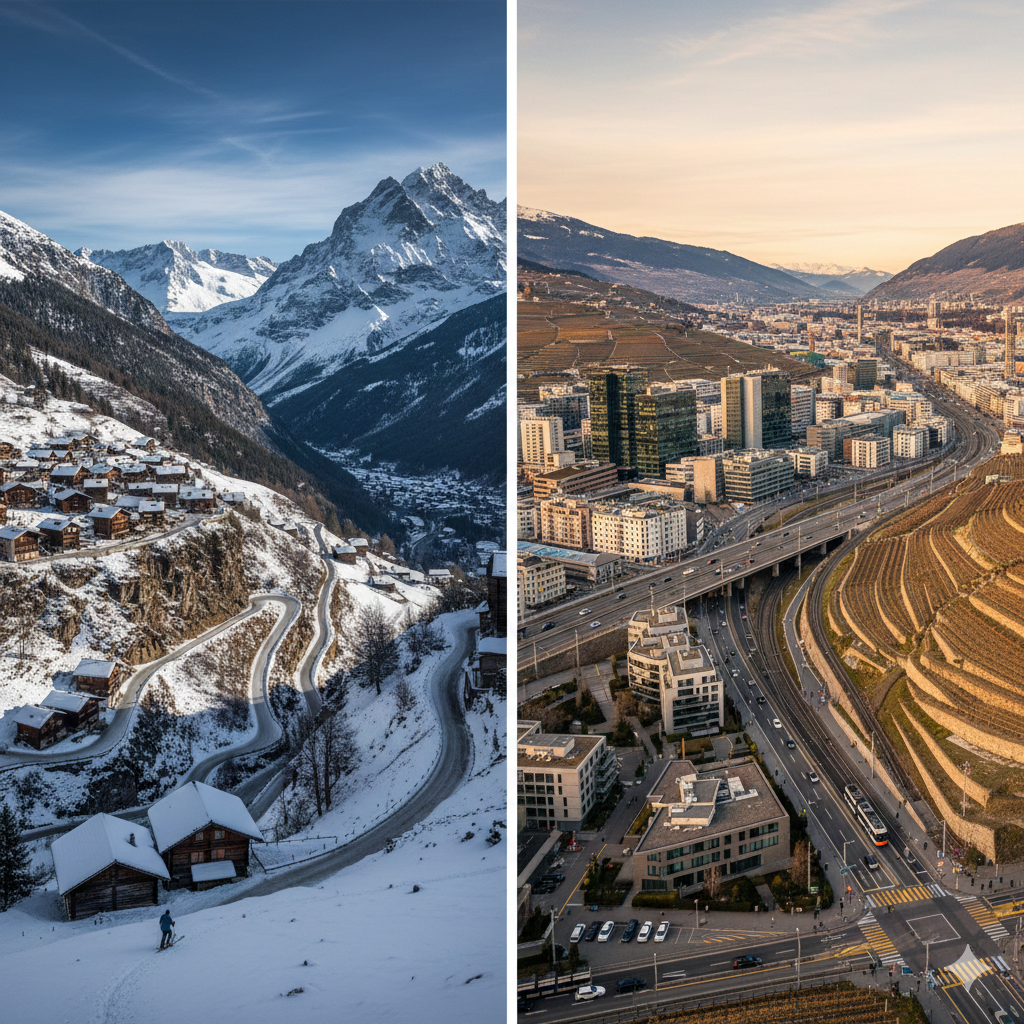
Mountains or valley? Price per m² isn’t enough. Discover the real factors that determine property value in Switzerland: scarcity, yield, lifestyle and hidden costs.
There’s a classic mistake when talking about property: comparing prices per square metre as if the market followed mathematical logic. That would be nice, that would be simple… but it would be completely wrong.
Buying in the mountains or the valley isn’t a level playing field. The displayed figures only reflect part of the picture. The rest is constraints, advantages, lifestyles, tourism trends, risks, infrastructure, seasons… in short, everything that shapes the true value of a property.
And if we want to make an intelligent decision, we need to look where most buyers never look.
In this article, we delve into what prices don’t tell you. Because the value of a location, especially in alpine areas, always exceeds the columns of an Excel spreadsheet.
Mountains vs valley: two markets not playing the same sport
Comparing Verbier to Martigny or Zermatt to Sion is like comparing a high-altitude trail to a forest jog. Same sport, yes, but not the same muscles, not the same risks, not the same reward.
In the mountains, property lives to the rhythm of tourism, snow, road access, pressure on land, regulations linked to second homes and, above all, a scarcity impossible to reproduce.
In the valley, the equation is based on employment, infrastructure, demographics and a town’s ability to attract and retain its inhabitants.
Result: a square metre in the mountains and a square metre in the valley don’t have the same nature. One is a rare asset, coveted, subject to strong seasonality and climate hazards. The other is a functional, lasting asset, part of a more predictable urban continuity.
Two markets, two logics. And when you understand that, you stop comparing prices to focus on the reality on the ground.
What prices don’t show: the scarcity factor in the mountains
In the mountains, what’s expensive isn’t just the stone: it’s the impossibility of creating more.
1. Available land is ultra-limited
Unlike the valley, you can’t push back the mountains to create new neighbourhoods. Some resorts have reached their physical or regulatory limits. When supply cannot expand and demand remains strong, prices can only increase.
2. The market is protected by the Second Homes Act (LRS)
In many alpine villages, no new second home can be created. Direct consequence: what exists gains value because nothing new can replace it.
3. Unique properties are never comparable
Chalet with panoramic views. Ski-in ski-out flat. South-facing penthouse. Terraced garden at 1,200 metres altitude. Each property is a rare piece, almost artisanal. The price reflects this uniqueness more than any other data.
Price per square metre then becomes a shaky concept: useful for positioning, but totally insufficient for judging real value.
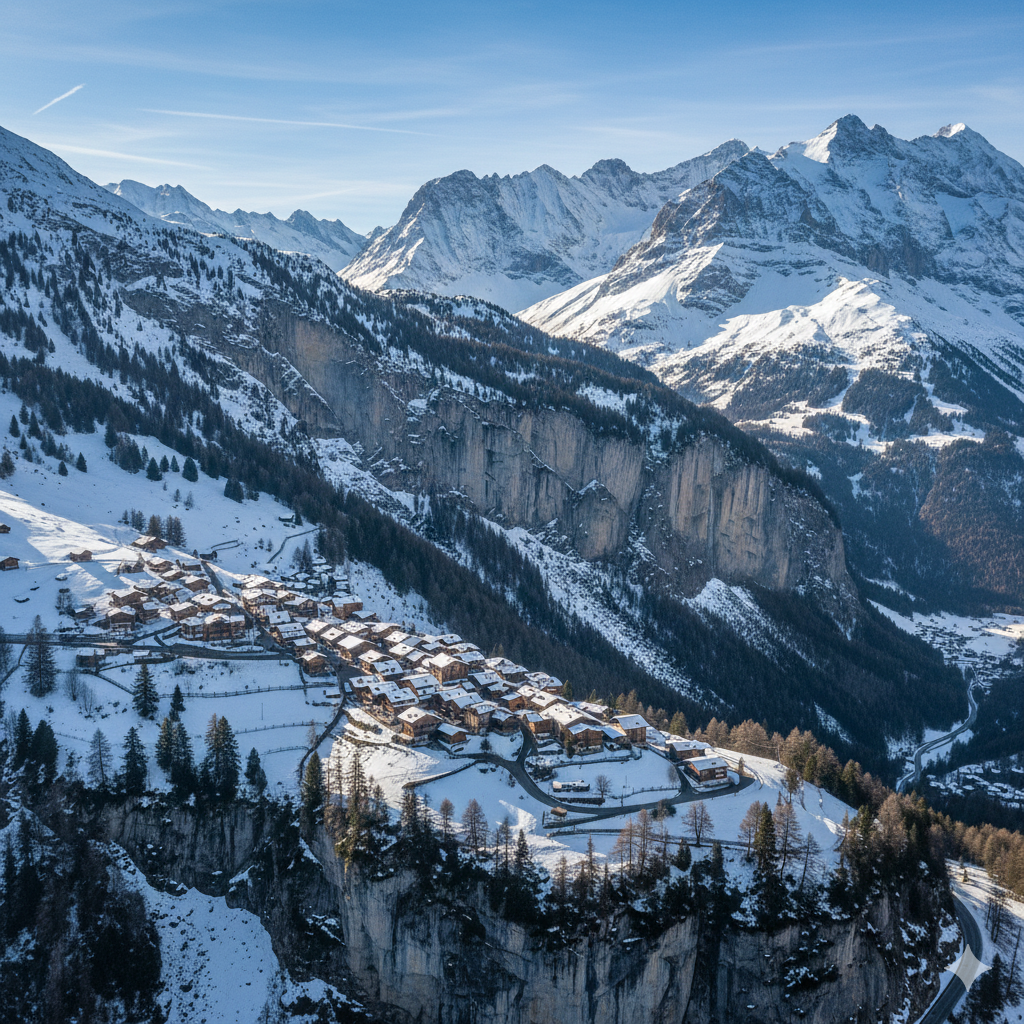
In the valley: predictability, services and economic dynamics
The valley offers something else: stability. Towns develop, infrastructure modernises, residential areas expand. This market follows more readable curves: employment, mobility, schools, taxation, regional attractiveness.
1. Demand depends on lifestyle
Proximity to work, accessible schools, shops, culture, soft mobility. For many families, this is where the true value of a property lies: not in scarcity, but in functionality.
2. Supply is more flexible
Need new housing? The town opens a new sector, densifies, renovates, converts. Impossible to do that in a narrow alpine valley.
3. Prices reflect socio-economic logic more
We can analyse, anticipate, project. A more rational market… but less emotional.
Which doesn’t mean less interesting: simply less dependent on natural and tourism factors.
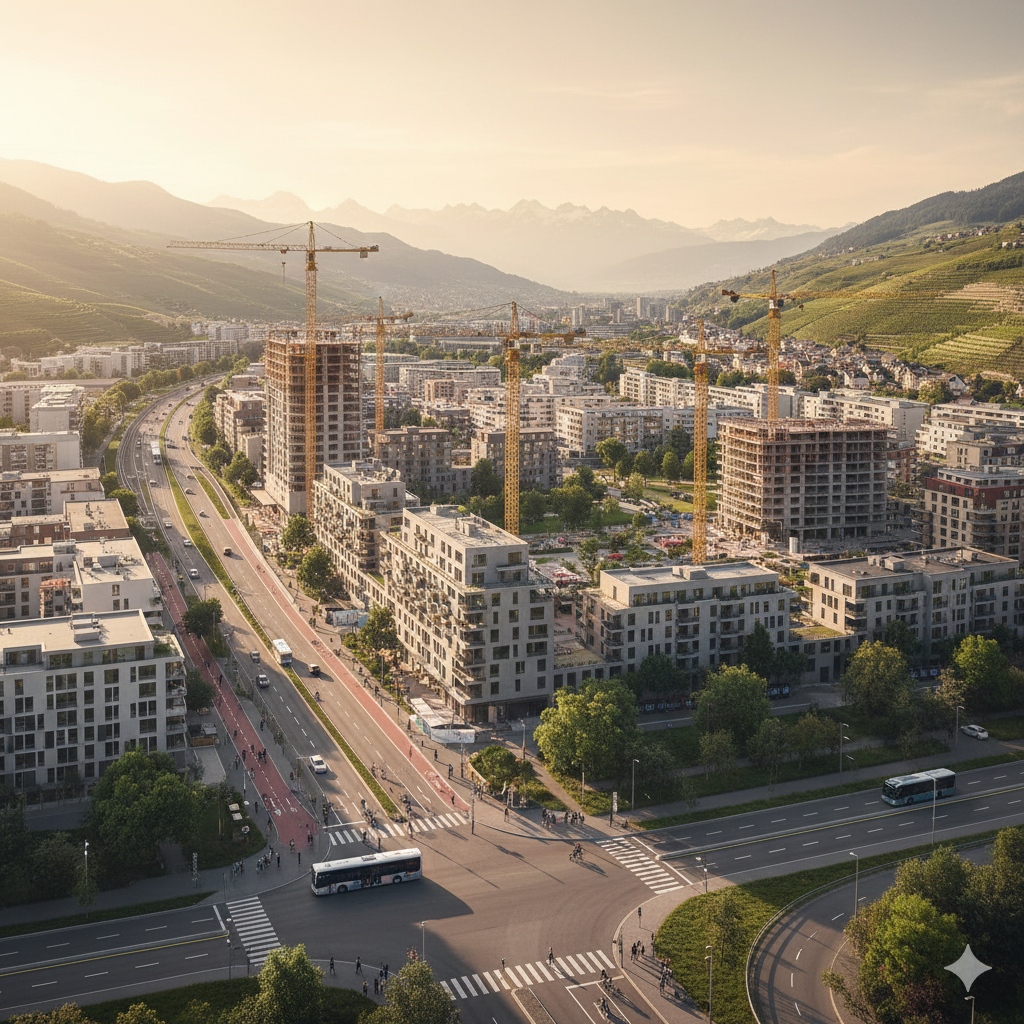
Real cost of a purchase: when the purchase price is just the beginning
The price of a property never represents its real acquisition cost. And here again, mountains and valley play in different universes.
1. In the mountains: higher charges and maintenance
Maintaining a chalet under tonnes of snow, managing sometimes fragile access roads, maintaining efficient heating, insuring against natural risks… all that has a cost.
A flat in a resort can also generate higher service charges due to collective facilities (lifts, concierge, wellness, increased cleaning during season).
What the figures don’t tell you: mountains are bought with a more substantial maintenance budget.
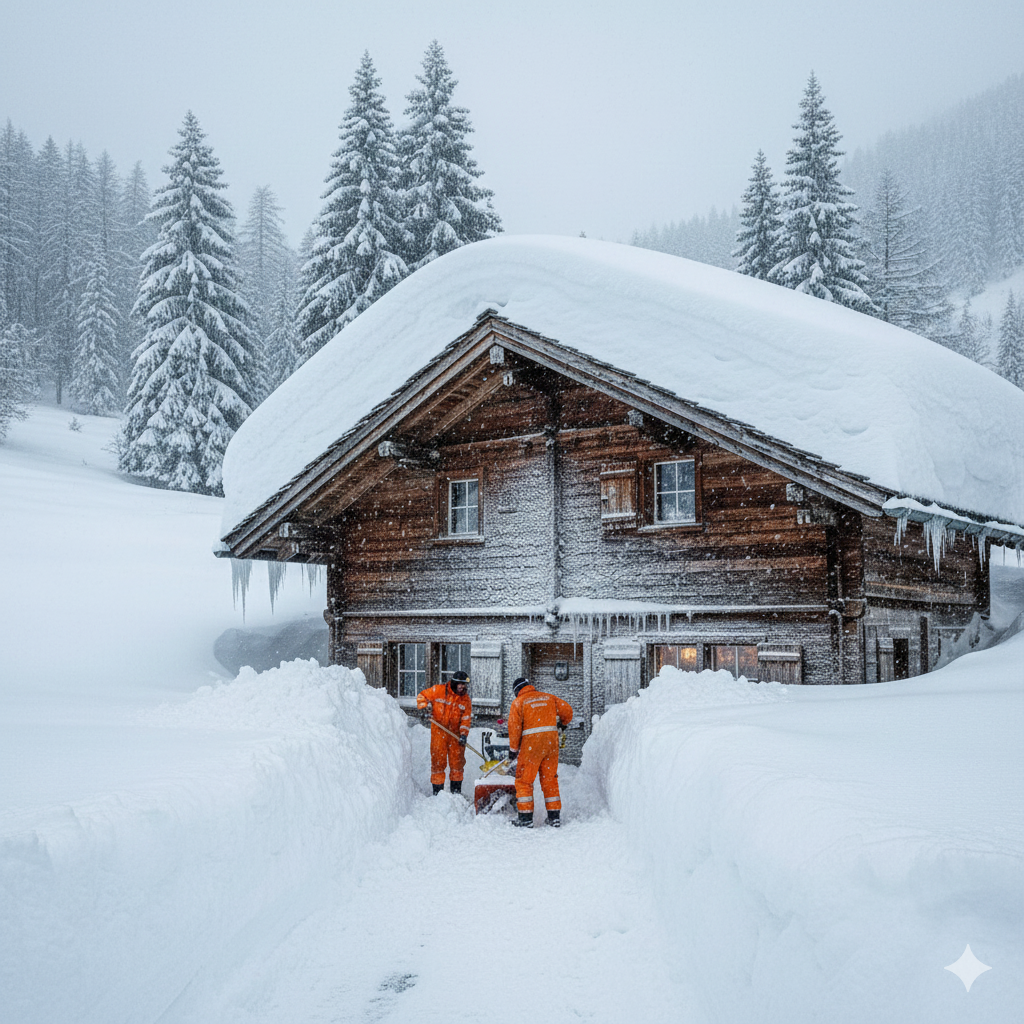
2. In the valley: costs easier to anticipate
In town or valley, charges follow known standards. Infrastructure is stable, natural risks lower, access better secured.
The total cost is less volatile, which reassures certain buyer profiles.
Rental yield: two opposing logics
1. In the mountains: seasonal income, but explosive
A well-placed flat in Verbier, Nendaz or La Tzoumaz can generate massive rental income… but concentrated over a few months.
Nightly rates are high, tourist demand solid, but occupancy rate varies. Excellent yield… provided you accept more dynamic and sometimes unpredictable management.
2. In the valley: moderate but constant yield
A property in the valley offers stable, year-round demand. Rents are less spectacular, but rental vacancy remains low.
It’s the choice of investors who prefer predictability to adrenaline.
Lifestyle: the factor banks don’t see (but you feel every day)
We forget it too often: we don’t buy a property, we buy a life.
1. The mountains: an experience, not just a place
There’s the fresh air, the landscapes, the marked seasons, proximity to slopes, the feeling of space, the calm or buzz of resorts. It’s a lifestyle that nourishes those who need nature, sport, breathing space.
But you must accept the constraints: snowy roads, seasonal shops, longer journeys.
2. The valley: daily fluidity
Accessible services, denser social life, nearby schools, simple mobility. It’s a logic of efficiency and daily comfort.
Not the same emotion, but real serenity.
Prices will never tell you that. But your daily life will experience it fully.
So, buy in the mountains or valley? The real question is elsewhere
It’s not: where is the price per square metre most attractive?
It’s: which environment creates the most value for you? And for the next ten years?
Because a property purchase isn’t a photograph: it’s a film. A film that evolves with tourism trends, mobility, climate, political choices, technology, and above all… your way of living.
The mountains offer scarcity, emotion, yield potential. The valley offers stability, functionality, ease of management.
The right choice isn’t mathematical. It’s strategic. And it depends on what you’re looking for: a rare asset, an inspiring pied-à-terre, a solid rental investment, or a fluid and practical living space.
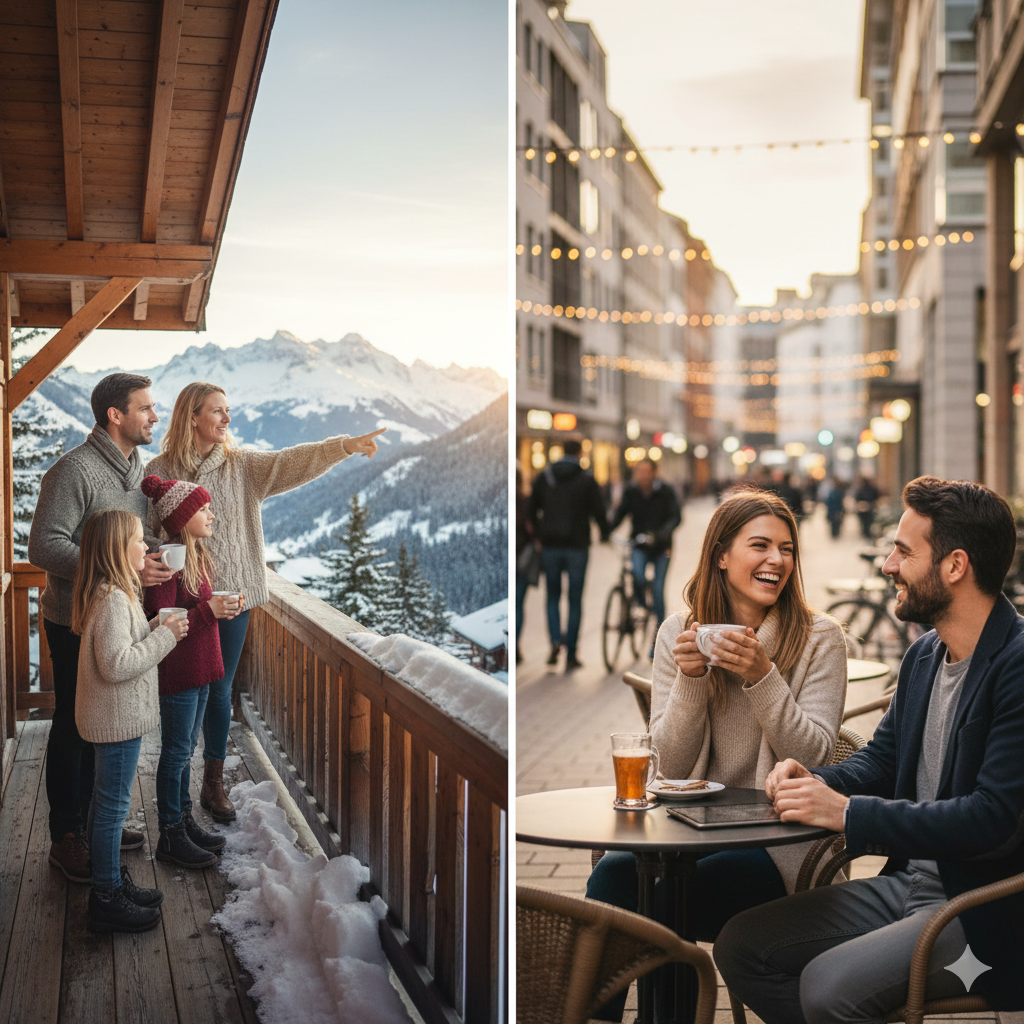
Conclusion: price is an indicator, never a truth
Comparing prices alone is like reading a map without considering the terrain. Mountains and valley alike have their strengths, their limitations and their own logic.
What prices don’t tell you is what your project truly deserves. What suits you. What will sustain you, simplify your life, or offer you that extra soul that only an alpine landscape can provide.
The future belongs to those who choose consciously, not those who compare figures out of context.